

What to Look for When Choosing a Custom Home Builder
Choosing a custom home builder is one of the most important decisions you will make when planning a new home. Look for a builder with relevant experience, a clearly defined process, transparent communication, strong design and construction capabilities, and a proven approach to managing your project from planning through completion.
The right builder should do more than construct the house. They should help you navigate design decisions, budgeting, materials, scheduling, permitting, and the many details involved in turning your ideas into a finished home.
Here is what to consider before choosing the team that will build your custom home.
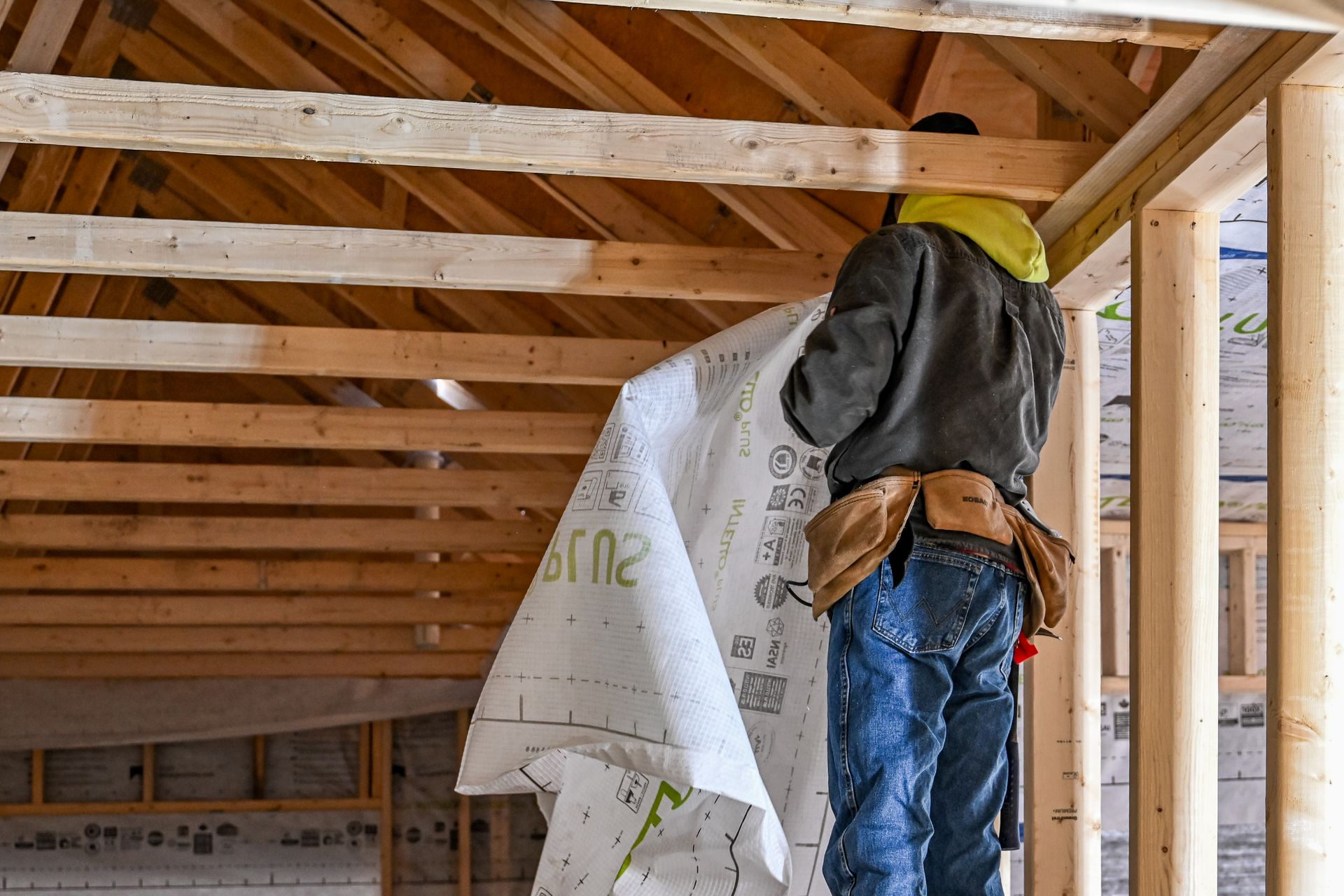
What Should You Look for in a Custom Home Builder?
A custom home builder should have experience completing projects similar to the type and quality of home you want to build.
Start by reviewing the builder's portfolio. Look beyond whether you like the architectural style and pay attention to the quality and variety of the completed projects.
Consider whether the builder demonstrates experience with:
- Custom floor plans
- Different architectural styles
- Interior and exterior design
- Energy-efficient building options
- Custom materials and finishes
- Challenging properties or site conditions
- Projects comparable to your goals
A diverse portfolio can demonstrate a builder's ability to respond to individual homeowners rather than repeatedly producing variations of the same house.
WS Design & Build's custom home building services combine personalized design with construction, allowing the home to be developed around the homeowner's property, lifestyle, priorities, and vision.
What Questions Should You Ask a Custom Home Builder?
Before choosing a builder, ask questions that help you understand both what they build and how they work.
Useful questions include:
- How does your custom home process work?
- Who will design my home?
- Who will be my primary point of contact?
- How are budgets developed and updated?
- How are material and finish selections handled?
- How do you manage changes during construction?
- Who handles permits and inspections?
- How will I receive project updates?
- What warranties are provided?
- Can I see examples of completed custom homes?
- How do you handle unexpected issues during construction?
Pay attention to the clarity of the answers. A builder should be able to explain what happens at each stage and what will be expected from you along the way.
Should Your Builder Provide Design Services?
Design and construction are closely connected during a custom home project.
Every design decision can affect construction, cost, scheduling, energy performance, and functionality. When design is developed without considering those factors, homeowners may need to make significant revisions later.
A design-build approach brings design and construction together within one coordinated process.
With WS Design & Build, the design-build process includes consultation, design development, 3D renderings, material selections, budgeting, and construction management. This allows decisions to be evaluated with both the finished design and the construction process in mind.
It also gives homeowners one team to work with instead of independently coordinating designers, contractors, and other parties.
How Important Is a Builder's Process?
A clearly defined process is one of the most important things to evaluate before hiring a custom home builder.
Building a home involves hundreds of decisions. Without an organized process, selections can be delayed, expectations can become unclear, and changes can affect the budget or schedule.
Ask potential builders to explain what happens from your first consultation through completion.
You should understand:
- How initial goals and requirements are established
- When design begins
- How the budget is developed
- When materials and finishes are selected
- How plans are approved
- How permitting is handled
- When construction begins
- How progress is communicated
- How final walkthroughs are handled
- What happens after you move in
A builder who can clearly explain these steps gives you a much better idea of what the experience will actually be like.
How Should You Compare Custom Home Builders?
Price matters, but it should not be the only factor used to compare builders.
A lower initial estimate does not necessarily mean a lower final project cost. Differences between estimates may reflect different materials, allowances, specifications, services, or assumptions about what is included.
When comparing builders, evaluate the complete proposal.
Consider:
- Scope of work
- Design services
- Material allowances
- Site preparation
- Permitting responsibilities
- Project management
- Included fixtures and finishes
- Energy-efficiency features
- Warranty coverage
- Change-order procedures
Ask questions when proposals differ significantly. Understanding why the numbers are different is more useful than simply choosing the lowest one.
The Federal Trade Commission's guidance for hiring contractors also recommends getting multiple written estimates and understanding what each estimate includes before making a decision.
Why Is Communication Important When Building a Custom Home?
Custom home construction is a long-term working relationship.
You will make decisions with your builder throughout design and construction, so communication should be clear from the beginning.
Ask who will communicate with you and how frequently you can expect updates. You should also understand how questions, selections, approvals, and changes will be documented.
Good communication helps homeowners understand what is happening, what decisions are approaching, and whether anything has changed.
Your initial interactions with a builder can provide useful insight. Consider whether the team answers questions clearly, explains technical information in understandable terms, and takes the time to learn what you want from the home.
Should You Ask About Licensing and Insurance?
Yes. Before hiring a builder, verify applicable registration or licensing requirements and insurance coverage.
Requirements vary by state and by the type of work being performed. Pennsylvania homeowners can use the Pennsylvania Attorney General's Home Improvement Consumer Information resources to learn more about contractor registration and consumer protections that may apply to residential projects.
You should also discuss who will obtain required building permits and coordinate inspections for your project.
These administrative details may not be as exciting as choosing a floor plan or finishes, but they are an important part of selecting a qualified team.
What Should You Know About the Building Contract?
Do not treat the construction contract as a formality.
Before signing, make sure you understand what is included, how payments work, how changes are handled, and what responsibilities belong to you and the builder.
Depending on the project, a contract may address:
- Project scope
- Plans and specifications
- Payment schedule
- Allowances
- Change orders
- Construction schedule
- Responsibilities of each party
- Insurance requirements
- Warranty information
- Procedures for addressing changes or disputes
Ask about anything you do not understand before signing.
A detailed agreement helps establish expectations for both the homeowner and builder before construction begins.
What Should You Ask About Warranties?
Ask each builder what warranty coverage is provided and what happens if an issue develops after construction is complete.
Do not assume every builder offers the same coverage.
WS Design & Build states that its new homes include a 12-year Pennsylvania home warranty, providing homeowners with additional protection after construction.
You should understand what your warranty covers, how long different protections last, and who to contact if you need assistance after moving into the home.
How Do You Know if a Builder Understands Your Vision?
A custom home should reflect the people who will live in it.
During early conversations, notice whether the builder asks detailed questions about your lifestyle rather than immediately directing you toward predetermined plans or features.
A good custom home planning conversation may cover:
- How many people will live in the home
- How you use shared spaces
- Whether you work from home
- How frequently you entertain
- Storage requirements
- Accessibility considerations
- Indoor-outdoor living
- Future family needs
- Architectural preferences
- Energy-efficiency goals
- Must-have features
- Budget priorities
These conversations help transform a list of desired rooms into a home designed around everyday life.
Should You Choose a Builder Before Buying Land?
If you have not purchased property yet, involving a custom home builder early can be valuable.
A beautiful lot is not automatically an easy or appropriate place to build the home you envision.
Topography, access, utilities, drainage, zoning, setbacks, site preparation, and other factors can affect what can be constructed and the overall project scope.
If you already own land, your builder should evaluate the property as part of the planning process.
If you are still searching, talking with a builder before purchasing can help you identify questions worth investigating before committing to a property.
What Are the Red Flags When Choosing a Home Builder?
A few warning signs deserve additional scrutiny.
Be cautious if a builder:
- Cannot clearly explain the building process
- Provides an unusually vague proposal
- Pressures you to make an immediate decision
- Avoids questions about insurance or applicable registration
- Will not explain how changes affect cost
- Has no examples of relevant completed work
- Cannot explain warranty coverage
- Communicates inconsistently during the initial planning stage
No construction project is completely free of challenges. What matters is whether the builder has systems for anticipating, communicating, and resolving them.
Why Consider a Design-Build Team for Your Custom Home?
One of the biggest decisions homeowners face is how the design and construction sides of the project will work together.
With a design-build team, those responsibilities are coordinated within one process.
Instead of designing a home and later discovering that certain decisions create construction or budget challenges, design-build allows feasibility, materials, budget, and construction considerations to inform the design as it develops.
For homeowners, this can create a more cohesive path from the first ideas to the finished home.
WS Design & Build provides custom home design and construction under one roof, helping homeowners move through planning, selections, and construction with a coordinated team.
Start Planning Your Custom Home with WS Design & Build
Choosing a custom home builder should come down to more than price. Experience, communication, design capabilities, project management, craftsmanship, and trust all play important roles in the decision.
WS Design & Build provides custom home design and construction for homeowners throughout Northeastern Pennsylvania. From initial design concepts and 3D renderings to material selections and construction, our team manages the custom home process from start to finish.
Explore our custom home portfolio to see completed projects, or contact WS Design & Build to start discussing your new home.
When should I start looking for a custom home builder?
Start researching builders early in the planning process. Involving a builder before major design or property decisions are finalized can help you evaluate feasibility, project scope, and budget considerations before moving forward.
What should I ask before hiring a custom home builder?
Ask about experience, the design and construction process, budgeting, communication, material selections, permitting, changes during construction, warranties, and who will manage your project.
Should I hire an architect before a custom home builder?
Not necessarily. The appropriate approach depends on the project and builder. A design-build company can integrate design and construction within one team, allowing construction and budget considerations to be addressed while the home is being designed.
How do I compare quotes from custom home builders?
Compare the scope and specifications behind each proposal rather than looking only at the total price. Review materials, allowances, design services, site work, project management, warranties, and other inclusions to understand what each builder is actually providing.
What are the benefits of using a design-build company?
A design-build company coordinates design and construction within one process. This can improve communication and allow budget, materials, constructability, and scheduling considerations to be addressed while the design is being developed.