


What Are the Pros and Cons of Starting New Construction in Winter?
Starting a new build during winter is a decision many homeowners hesitate to make. Cold temperatures, snow, and shorter days raise valid concerns, but winter construction also comes with unique advantages that are often overlooked. Understanding the pros and cons of winter construction helps homeowners decide whether beginning a new construction project during colder months aligns with their timeline, budget, and long term goals.
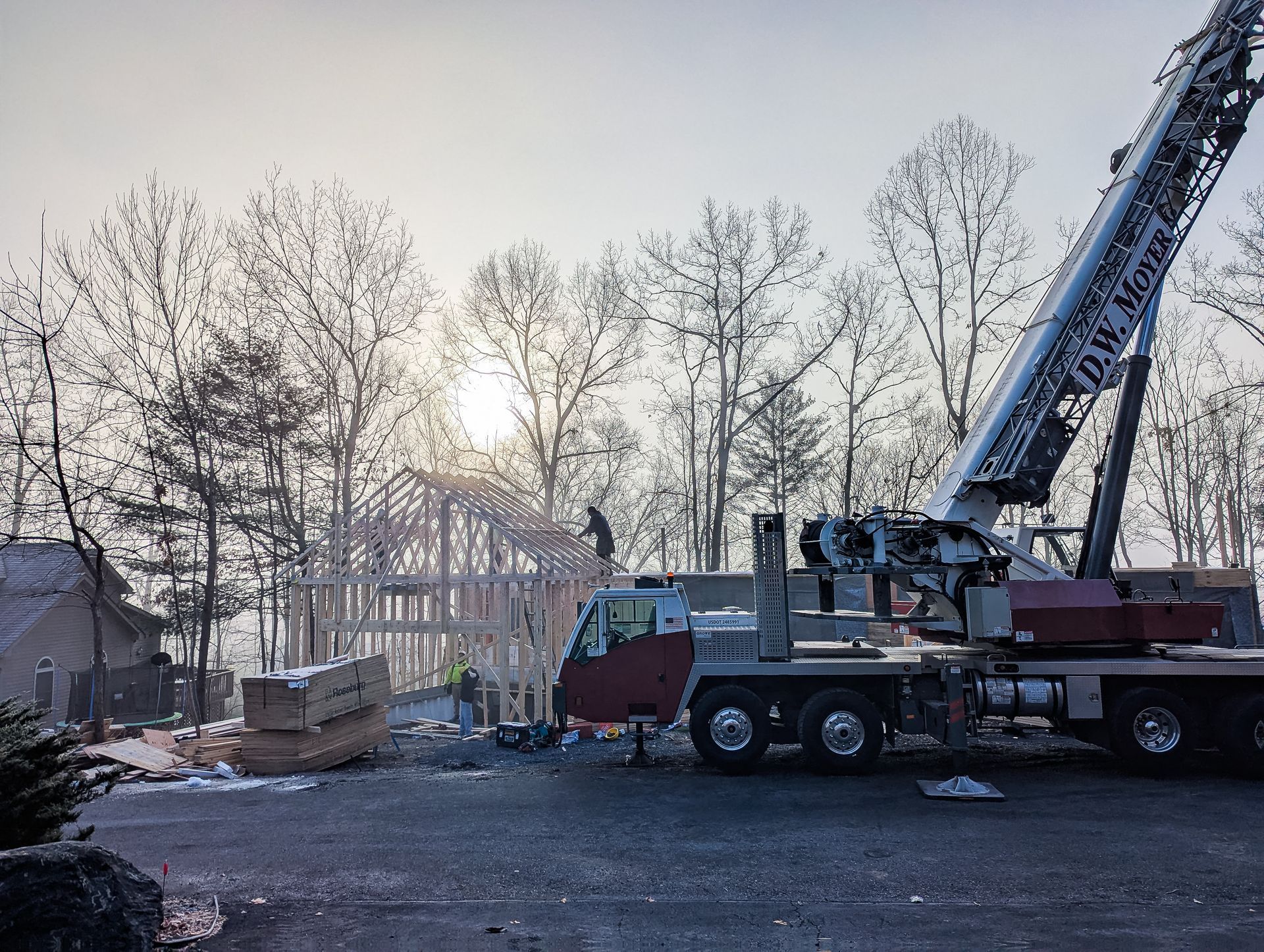
Pros of Starting New Construction in Winter
Faster Scheduling and Availability
Winter is typically a slower season for construction companies. This can mean greater availability of crews, subcontractors, and materials. Homeowners may experience faster project start times compared to spring or summer, when demand for custom home construction is much higher.
Potential Cost Savings
With reduced demand, some material suppliers and contractors offer more competitive pricing during winter months. These savings can help offset additional weather related costs and keep the overall construction budget more manageable.
Better Planning for Spring Completion
Beginning construction in winter positions your project to move quickly once warmer weather arrives. Foundations, framing, and early site work completed during winter can lead to faster progress and earlier completion in spring or summer.
Stable Ground Conditions
In certain cases, frozen ground can actually support heavy equipment better than muddy spring soil. This can reduce site damage and improve access for machinery during early phases of new home construction.
Cons of Starting New Construction in Winter
Weather Delays
Snow, ice, and extreme cold can slow progress or temporarily halt work. Weather delays are one of the most common concerns with winter builds and require flexible scheduling.
Cold Weather Concrete Challenges
Concrete can be poured in winter, but it requires careful temperature control and protection. Additional steps such as heated enclosures or additives may be needed, which can increase costs during foundation work.
Shorter Daylight Hours
Fewer daylight hours can limit work time and affect productivity. Construction crews must carefully plan daily tasks to maintain efficiency.
Material Handling and Storage
Cold temperatures can affect certain building materials, including adhesives, sealants, and finishes. Proper storage and timing are essential to maintain quality during winter construction.
Key Factors to Consider Before Building in Winter
Project Scope
Large scale projects or full custom home builds may require additional winter planning compared to smaller additions or renovations.
Site Preparation
Access to the property, snow removal, and drainage planning all play a role in keeping construction moving smoothly.
Builder Experience
Working with a contractor experienced in winter construction makes a significant difference. Knowledgeable teams understand how to protect materials, manage weather challenges, and maintain quality standards year round.
Is Winter Construction Right for You?
Winter construction is not ideal for every project, but it can be a smart option for homeowners with flexible timelines and the right expectations. Careful planning, professional oversight, and weather awareness help mitigate challenges and maximize benefits.
Conclusion
Starting new construction in winter comes with both advantages and challenges. Faster scheduling, potential cost savings, and early progress can make winter an appealing option, while weather conditions and material considerations require careful planning. WS Design & Build helps homeowners navigate every phase of construction with expertise and attention to detail, ensuring projects stay on track no matter the season.